
MCA Compliance Relief Scheme 2026 (CCFS-2026):...
26 Feb 2026

GST compliance in India is not difficult — but it is very unforgiving.
Many business owners believe that filing GST returns late or incorrectly is a “minor issue” that can be fixed later. Unfortunately, that assumption often leads to penalties, interest, blocked ITC, and GST notices.
What makes GST risky is that most mistakes are unintentional, yet the system does not differentiate between intent and error.
In this article, we break down the 7 most common GST filing mistakes that repeatedly cause financial loss to businesses — and explain how you can avoid them safely.


GST law changes frequently, compliance is time-bound, and filings are interconnected.
A small error in one return often creates a chain reaction across multiple months.
Some key reasons businesses make GST mistakes:
Over-reliance on software without review
DIY filing without understanding rules
Late data from vendors or accountants
Lack of reconciliation
No compliance calendar
Now let’s look at the mistakes that cost the most money.
Many businesses file GSTR-3B first and later upload sales data in GSTR-1, assuming it will auto-adjust.
This is one of the most dangerous GST filing habits.
GST department compares GSTR-1 and GSTR-3B
Any mismatch triggers ASMT-10 notice
Excess tax liability may be assumed
ITC may be restricted
Always reconcile:
Sales invoices
Tax liability
Tax rate
before filing GSTR-3B

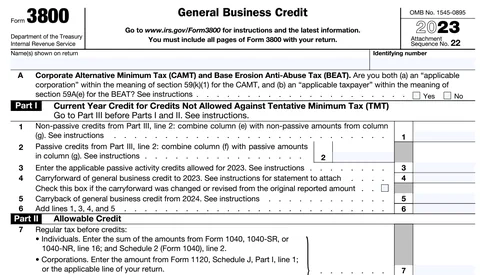
Claiming ITC is legal — but only when conditions are met.
Many businesses claim ITC simply because an invoice exists.
Supplier has not filed returns
Supplier is inactive or cancelled
Invoice details mismatch
ITC claimed beyond allowed period
ITC reversal
Interest @18%
Penalty
GST notices (DRC-01)
Reconcile ITC with GSTR-2B
Verify supplier compliance
Maintain invoice records
This is a very common misconception:
“There is no tax this month, so filing can wait.”
That assumption leads to:
Late fees (₹50 per day / ₹20 for NIL return)
Interest accumulation
Return blockage
Inability to file future returns
📌 GST returns must be filed even if there is no business activity.


Choosing the wrong GST rate is not just a calculation issue — it is a compliance violation.
Misclassification of goods/services
Copying rates from competitors
Outdated rate knowledge
Short payment or excess payment
Department scrutiny
Demand notices
Interest and penalties
Classify goods/services correctly
Review notifications regularly
Seek expert verification for new products
Many businesses delay responding to GST notices due to fear or confusion.
This is extremely risky.
Best judgment assessment
Automatic tax demand
Penalties without hearing
GST registration cancellation
📌 A delayed reply is often treated as no reply.


GST law requires records to be maintained for at least 6 years.
Missing records can lead to:
Disallowed ITC
Penalty during audit
Legal complications
Required records include:
Sales & purchase registers
Invoices
E-way bills
Payment proofs
Return filings
GST is not just data entry — it is law + accounting + timelines.
Many businesses rely on:
Junior staff
Software alone
Inexperienced agents
This often leads to:
Wrong replies
Missed deadlines
Poor reconciliation
Long-term compliance damage
📌 Expert review saves money, even if it looks like an extra cost initially.

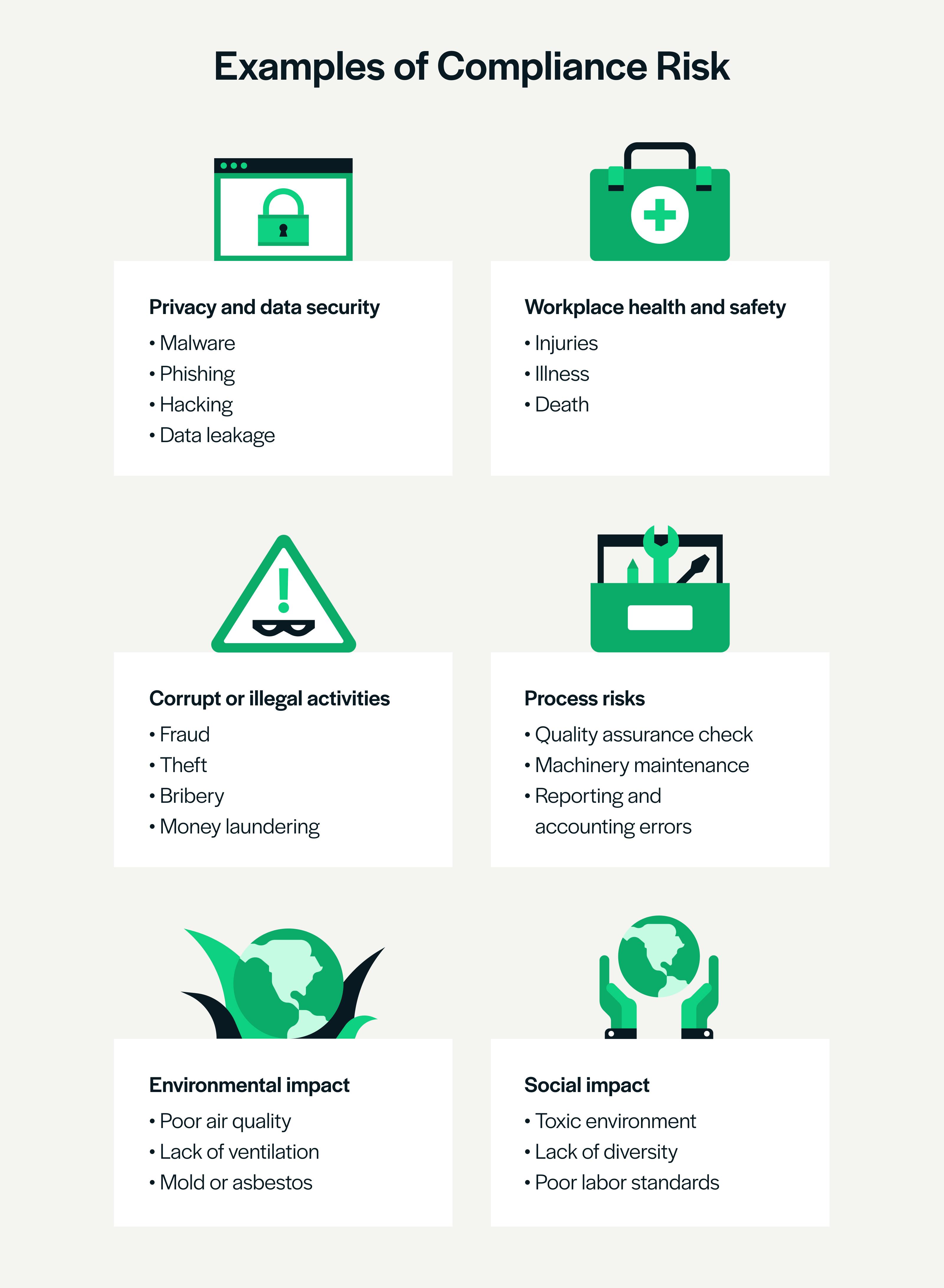
Depending on the mistake, penalties may include:
Late fees
Interest @18%
10% to 100% penalty of tax
ITC reversal
Registration suspension or cancellation
Here’s a simple compliance approach:
Monthly reconciliation
Timely filing
Proper documentation
Periodic expert review
Compliance calendar
Trustlink India supports businesses with:
Accurate GST return filing
ITC reconciliation
GST notice handling
Compliance review
End-to-end GST support
The focus is not just filing returns, but protecting your business from risk.
Q1. Can GST mistakes be corrected later?
Some mistakes can be corrected, but penalties and interest may still apply.
Q2. Is GST software enough for compliance?
Software helps, but expert review is essential.
Q3. What if my supplier does not file returns?
Your ITC may be blocked. Regular vendor review is important.
Q4. How often should GST reconciliation be done?
Monthly reconciliation is recommended.
by Corporate Advisory, TRUSTLINK